EV Maker Bankrupt? Steps to Handle Your Orphaned Car
 Emma Taylor- I am a passionate personal finance blogger dedicated to helping individuals take control of their financial well-being.
Imagine pulling out of the dealership lot, thrilled with your brand-new electric vehicle. Then, just six months down the road, you learn that the automaker behind your EV has decided to cease production of electric models entirely. Suddenly, you're left wondering what to do with your now-orphaned el
Imagine pulling out of the dealership lot, thrilled with your brand-new electric vehicle. Then, just six months down the road, you learn that the automaker behind your EV has decided to cease production of electric models entirely. Suddenly, you're left wondering what to do with your now-orphaned electric car.
This scenario is becoming increasingly common in the electric vehicle sector today. Although EV sales boomed in previous years, recent data shows a sharp decline, with reports indicating a 20% drop in January compared to the prior December. Several factors contribute to this slowdown, including the recent elimination of the $7,500 federal EV tax credit under new policy changes.
The electric vehicle industry remains in its early stages, much like any emerging market, which means some players will thrive while others falter. Companies like Fisker and Lordstown Motors have already exited the scene, while others such as Lucid and Rivian continue to navigate significant stock market challenges even as they press on with operations.
Will Your EV Still Function if the Manufacturer Shuts Down?

Absolutely, your electric vehicle will continue to operate. You can drive it as usual and connect to any compatible charging infrastructure available. That said, the overall driving experience may deteriorate noticeably over time.
Electric vehicles come equipped with advanced 'smart' features designed to enhance your time behind the wheel. These often include seamless smartphone app integration, over-the-air software updates that refine performance, and a host of other innovations.
These enhancements rely on a connection to the manufacturer's servers for updates and maintenance. Should the company go out of business, access to these vital over-the-air updates will vanish. Proprietary remote diagnostic tools could cease to work, leaving you unable to perform even basic troubleshooting without specialized equipment. Furthermore, essential updates for navigation systems, climate controls, and critical safety elements like collision warnings would no longer be available.
In essence, while your EV remains drivable on a fundamental level, the absence of ongoing support will make the ownership experience far from optimal. And that's not the only hurdle you'll face.
Repairs Become Costly and Difficult for Orphaned EVs

One of the most pressing issues for owners of orphaned vehicles is sourcing the necessary replacement parts. When a manufacturer closes its doors, production of new parts typically halts—unless mandated by a legal ruling—leading to scarce supply and skyrocketing prices for whatever inventory remains.
Third-party aftermarket components might be an option for addressing breakdowns or wear-and-tear issues. However, these alternatives often come with inconsistent quality depending on the supplier, potentially compromising your vehicle's reliability and performance.
If you find yourself in this predicament, your smartest move is to seek out a trusted electric vehicle specialist or mechanic. These experts can guide you toward dependable parts that are compatible with your specific model. Alternatively, selling the car could be a route to consider, though without strong collector interest, expect to take a substantial financial hit on the resale value.
Key Considerations Beyond Basic Functionality
Warranty protection stands out as a major concern here. Electric vehicle batteries, in particular, are covered under manufacturer warranties typically good for 100,000 miles or eight years—whichever threshold is reached first. Looking ahead, starting in 2027, the Environmental Protection Agency will enforce this as a baseline requirement for all U.S.-based EV producers.
Bankruptcy or dissolution of the manufacturer usually means warranties go unfulfilled. Replacing an EV battery out of pocket can be a massive expense, with costs ranging from several thousand dollars up to around $15,500, varying by battery capacity and model specifics.
Fortunately, legal avenues may still be open to you. If the company lingers in some form, you could pursue action under the Magnuson-Moss Warranty Act for breach of warranty obligations. State-specific lemon laws or complaints filed with your attorney general's office offer additional pathways to seek redress.
Options for Selling Your Orphaned Electric Vehicle
If you've purchased your EV outright with cash or fully paid off any financing, you're free to sell it on the open market. Be aware, however, that the lack of software updates and the rising costs of repairs due to parts shortages will likely drive down its market value considerably.
For those with an active lease, you're bound by the original agreement terms with the leasing entity. In some cases, the finance company may propose a discounted buyout option, reflecting the diminished resale value of the vehicle.
Should your manufacturer fold while you're leasing, reach out promptly to the financing provider to discuss potential solutions and alternatives tailored to your situation.
Strategies to Avoid Ending Up with an Orphaned EV
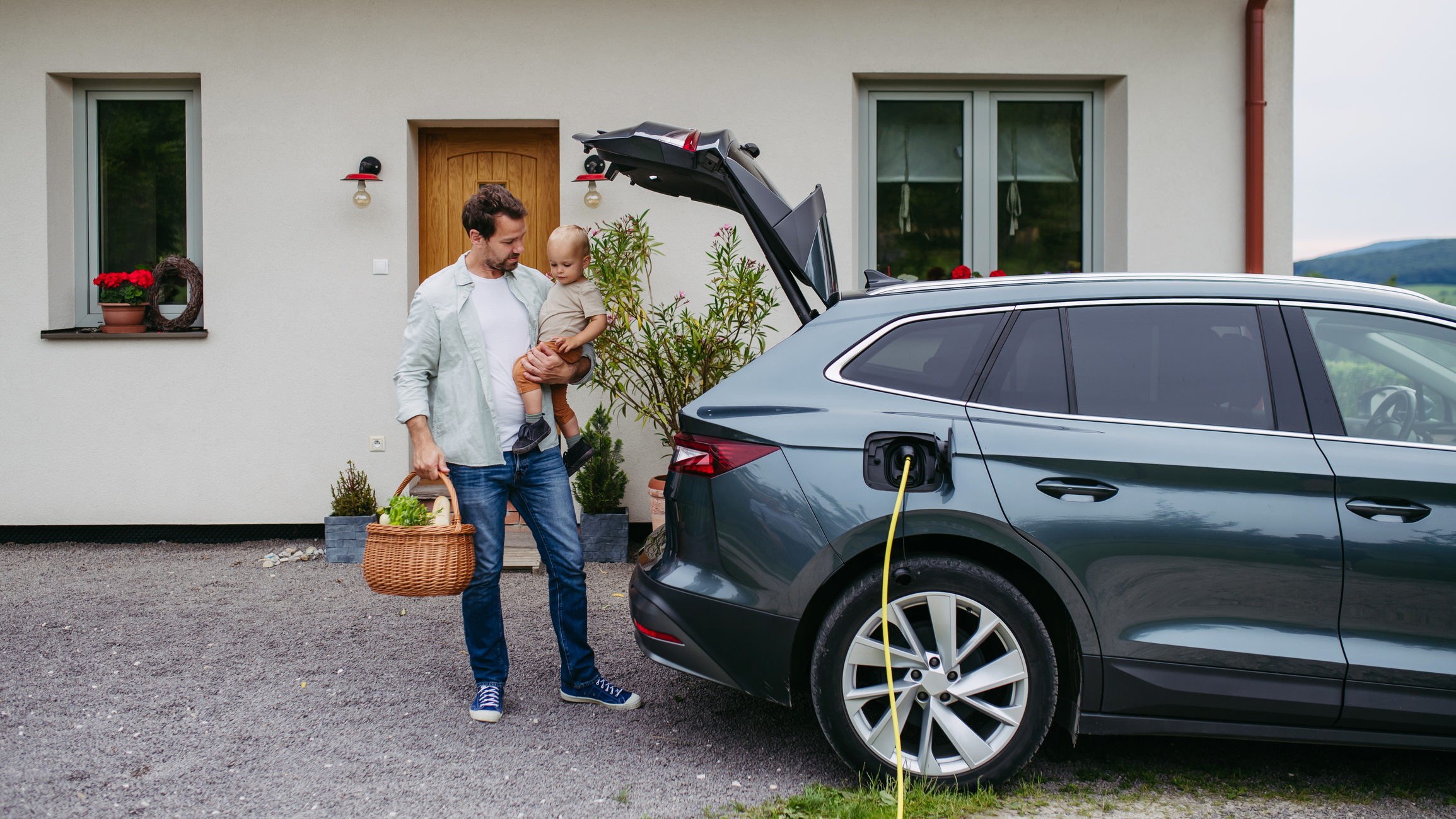
Proactive measures can significantly reduce the chances of owning an unsupported EV. Here are some practical steps to safeguard your investment:
- Investigate brand stability: Prioritize automakers demonstrating a solid track record in EV quality and ongoing commitment to advancing electric vehicle innovations.
- Opt for high-demand models: Popular, best-selling EVs like the Tesla Model Y or Chevrolet Equinox EV are less likely to be discontinued abruptly by their makers.
- Check technology standards: Steer clear of outdated charging ports such as CHAdeMO, which are being replaced by modern standards like NACS or CCS. Reliance on legacy tech may signal a company's waning investment in the EV space.
Electric vehicles represent a forward-thinking choice when approached thoughtfully. They help reduce your environmental impact, grant access to cutting-edge automotive technologies, and shield you from volatile fuel costs. Although more EV startups may face closure in the coming years, selecting established brands minimizes the risks and frustrations tied to orphaned vehicle ownership.
Before committing to a purchase, it's wise to shop around for insurance quotes on your top contenders. This prevents unexpected shocks from your provider. Comparing rates across carriers can uncover more affordable coverage options quickly.
Weekly Digest
Top articles delivered to your inbox every week.